Seawall Maintenance Tips for Martin County Waterfront Homes
Learn seawall maintenance tips for Martin County waterfront homes including inspections, seasonal care, hurricane prep, and repair planning to protect your shoreline.
4/28/20265 min read
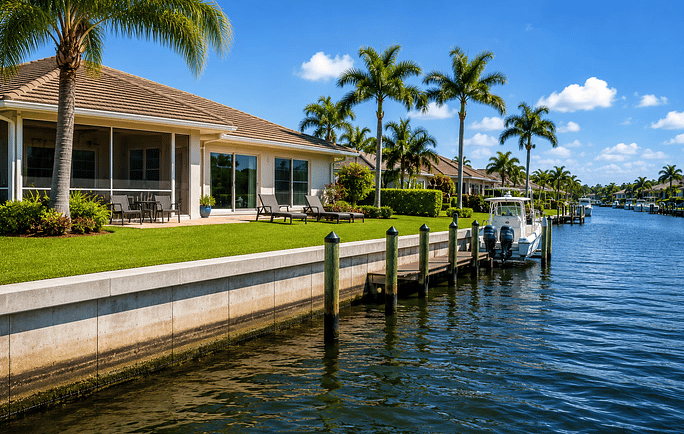
Owning a seawall in Martin County means protecting your property from constant waterfront pressure caused by tides, storms, and shoreline movement. Whether your home is on canal-front lots, Intracoastal-facing properties, or quiet residential waterfront communities, seawalls play a critical role in protecting land, docks, and outdoor living spaces.
These structures are the first line of defense against erosion, flooding, and soil loss, especially in areas exposed to seasonal storms and changing water levels. Even small changes in soil movement or water flow can gradually impact long-term stability if not addressed early.
However, seawalls require regular seawall maintenance rather than being a one-time installation. Regular inspections, seasonal care, and proactive monitoring are essential—especially in a region where hurricane season, king tides, and shoreline erosion can significantly impact structural stability over time.
Why Seawall Maintenance Matters in Martin County
Seawalls in waterfront communities are constantly under pressure from water movement, soil shifts, and storm activity. In areas like canal-front homes and Intracoastal properties, even small changes in water flow can gradually affect structural stability.
Without regular maintenance, seawalls may develop cracks, drainage issues, or hidden soil loss behind the structure. These issues often begin small but can lead to major repair or replacement costs if ignored.
For homeowners in Martin County, proper maintenance is not just about appearance—it directly protects property value, docks, patios, and surrounding landscape from long-term damage.
Common Types of Seawall Damage
Seawalls can experience several kinds of damage due to constant exposure to water and environmental stress. In South Florida conditions, saltwater, storms, and shifting soil can accelerate wear over time.
Common issues include cracking in concrete structures, separation between panels, soil erosion at the base, and movement caused by pressure changes during high tides or storms. In some cases, marine growth or water flow patterns can also weaken the surrounding soil structure.
Even minor issues such as leaning sections or surface cracks should not be ignored, especially in areas exposed to king tides or seasonal storm surge events.
Regular Inspections: What to Look For
Routine inspections are one of the most effective ways to prevent costly seawall damage. Homeowners should inspect their seawall at least twice a year and always after major storms or heavy rainfall.
Walk along the seawall and check for visible cracks, shifting sections, or soil changes near the base. Pay close attention to areas near docks, patios, and walkways where settlement often appears first.
Many homeowners in Martin County waterfront properties schedule professional Seawall Inspection Services before and after hurricane season to identify early warning signs that are not always visible from the surface.
Photographs and notes during inspections can help track gradual changes over time, making it easier to plan future maintenance or repairs.
Warning Signs of Hidden Seawall Deterioration
Some of the most serious seawall issues develop behind the structure where they cannot be easily seen. These hidden problems often lead to expensive repairs if not detected early.
Soil loss behind the seawall is one of the most common early indicators of failure. As soil washes out, voids may form behind the seawall cap, weakening overall support.
Settlement near patios, pools, docks, or walkways is another warning sign that often indicates underlying erosion. Water escaping through cracks or joints can also signal pressure imbalance behind the wall.
Widening cracks, leaning sections, and possible tieback deterioration or failure are more advanced signs that require immediate professional evaluation.
Post-Hurricane Seawall Inspection Checklist
After hurricanes or major storm events, seawalls should always be inspected carefully. In canal-front communities and coastal areas, storm surge and wave action can significantly change shoreline conditions.
Key things to check include:
New or widened cracking
Soil washout behind the seawall
Settlement near waterfront edges
Movement or separation of seawall caps
Drainage issues or trapped water
Dock-to-seawall connection stability
Signs of accelerated shoreline erosion
Early post-storm inspections help prevent minor storm damage from turning into long-term structural failure.
When to Schedule Repairs
Not all seawall issues require full replacement, but delaying repairs can increase long-term costs. Minor cracks, early soil loss, and small drainage problems can often be corrected if addressed quickly.
However, visible structural movement, repeated erosion, or major settlement typically requires professional evaluation. In such cases, homeowners often rely on Seawall Repair Services to restore stability and prevent further deterioration.
Severe damage may also require Seawall Construction Services for partial or full reconstruction depending on structural conditions.
Why Inspections Should Come Before Repairs or Construction
Before any repair or construction project begins, it is important to fully understand the condition of the existing seawall. Inspections help identify whether issues are cosmetic or structural and whether underlying soil loss or settlement is present.
A proper inspection helps determine whether repair is sufficient or whether full replacement is required. It also reveals hidden deterioration that may not be visible at the surface but can affect long-term stability.
For waterfront properties in Martin County, this step is critical before planning any Full-Service Marine Construction work, as it ensures the project's scope is accurate and cost-effective.
Questions to Ask Before Starting a Marine Construction Project
Before beginning any seawall-related project, homeowners should ask:
Is my existing seawall structurally sound?
Can this issue be repaired instead of replaced?
Are there signs of settlement or soil erosion?
How will construction affect neighboring waterfront properties?
What inspections should be completed before work begins?
These questions help ensure better planning and reduce unexpected costs during construction.
Professional Help for Waterfront Maintenance
Managing seawall health should always start with inspection and condition assessment, not construction decisions. Experienced marine professionals first evaluate structural integrity, hidden erosion, and soil stability before recommending any repair or replacement work.
In many Martin County waterfront properties, early detection through routine inspections helps identify small issues like cracks, voids behind the wall, or soil movement before they turn into major failures.
A proper assessment ensures that homeowners understand whether the seawall is stable, requires monitoring, or needs targeted repair—before any construction planning begins.
Conclusion
Seawall maintenance in Martin County is not just routine upkeep—it is long-term protection for waterfront homes exposed to tides, storms, and erosion. From canal-front properties to Intracoastal-facing homes, early signs of damage often start quietly beneath the surface.
Routine inspections, seasonal checks, and post-storm evaluations help identify issues early and prevent costly repairs or full seawall replacement. Early detection is the key to protecting your property and extending the life of your waterfront infrastructure.
If you’re ready to protect your investment and make sure your wall stays strong throughout every season, reach out to seawall maintenance experts now to assess your current condition and plan a maintenance schedule that fits your needs.
Frequently asked questions
How often should seawalls in Martin County be inspected?
Most waterfront properties should have seawalls inspected at least twice a year, ideally before and after hurricane season. Additional checks are recommended after major storms, king tides, or unusual shoreline changes.
What are the first signs of seawall failure?
Early signs often include small cracks, soil loss near the base, minor settlement near patios or docks, drainage issues after rain, and slight leaning in seawall sections. These should be evaluated early to prevent larger damage.
Can seawall damage be repaired, or does it always need replacement?
Not all damage requires full replacement. Many issues such as cracks, localized erosion, or minor structural movement can be addressed through targeted Seawall Repair Services. Full replacement is only needed when structural failure or severe soil loss is present.
Why is hidden seawall damage a concern for homeowners?
Hidden issues like voids behind the seawall or soil washout can weaken the structure without visible surface signs. Over time, this can lead to sudden failure, making early inspections essential for waterfront safety.
What should I do after a hurricane or major storm?
After storms or hurricane events, homeowners should check for new cracks, soil displacement, drainage changes, dock movement, and shoreline erosion. A professional inspection is recommended to assess any hidden structural impact.
Innovation
Renovating seawalls with modern technology and materials.
Quality
Strength
772-677-1156