How Property Managers Handle Seawall Compliance and Structural Monitoring
Learn how property managers manage seawall compliance, inspections, maintenance planning, and risk reduction. Protect waterfront assets and support long-term shoreline stability.
5/18/20265 min read
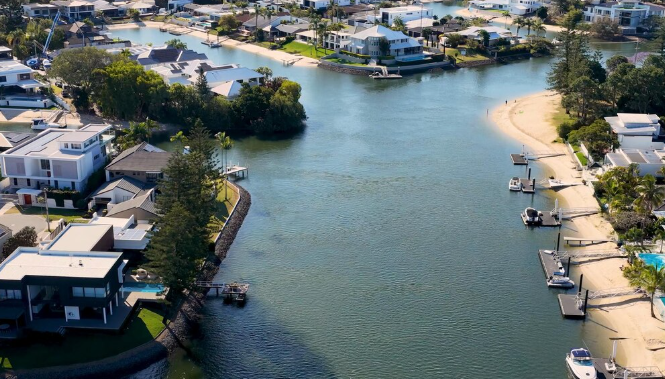
Property managers play a critical role in protecting waterfront communities and maintaining the infrastructure that supports them. Among their most important responsibilities is overseeing seawall compliance, structural monitoring, and long-term maintenance planning. Because seawalls protect homes, common areas, docks, and other waterfront assets from erosion and shoreline instability, their condition directly affects both safety and property value—especially in Martin County waterfront communities, canal-front properties, and Intracoastal waterfront assets that experience seasonal shoreline pressure and hurricane season impacts.
Unlike emergency repairs that occur after major damage is discovered, effective seawall management focuses on proactive inspections, documentation, vendor coordination, and long-term planning. Property managers often serve as the link between HOA boards, engineers, contractors, and property owners, helping ensure that seawall concerns are identified early and addressed before they become costly problems.
Many communities rely on Seawall Construction services to support inspections, maintenance planning, repairs, and long-term shoreline protection strategies.
Understanding Seawall Compliance Responsibilities
Seawall compliance involves ensuring that waterfront structures remain safe, functional, and properly maintained throughout their service life. Property managers are responsible for helping communities stay organized when it comes to inspections, maintenance schedules, documentation, and repair planning.
This responsibility extends beyond simply responding to visible damage. Property managers must coordinate routine evaluations, maintain records, communicate findings to HOA boards, and ensure that recommended repairs are addressed in a timely manner.
A proactive compliance strategy helps reduce risk, supports long-term budgeting, and protects valuable waterfront assets from unnecessary deterioration.
Key Property Manager Responsibilities
Property managers are typically responsible for:
Scheduling routine seawall inspections
Coordinating with engineers and contractors
Maintaining inspection and repair documentation
Communicating findings to HOA boards
Supporting budget and reserve planning efforts
Structural Monitoring and Daily Oversight
Structural monitoring is one of the most important aspects of seawall management. Regular observation and scheduled inspections help identify changes that may indicate developing structural issues.
Property managers are often responsible for coordinating inspections, documenting observations, and communicating findings to community leadership. By tracking seawall conditions over time, managers can identify trends that may require further evaluation or repair planning. \
This ongoing oversight helps communities avoid situations where small issues are allowed to progress into expensive repair projects.
What Property Managers Should Watch For During Routine Site Visits
Routine site visits provide valuable opportunities to identify early warning signs of seawall deterioration. Catching these issues early allows communities to plan repairs proactively rather than responding to emergencies.
Common Warning Signs of Deterioration
During routine site visits, property managers should pay close attention to:
Cracks in seawall panels or cap sections
Settlement behind the seawall
Soil loss and developing voids
Drainage problems after heavy rainfall
Dock movement or shifting waterfront structures
Signs of ongoing shoreline erosion
These issues are especially relevant in Intracoastal waterfront assets and Martin County canal systems, where seasonal water level changes and hurricane activity can accelerate wear.
Early documentation and professional evaluation can help prevent more extensive structural damage.
Coordinating Repairs and Maintenance
When structural concerns are identified, property managers play an important role in coordinating repairs and maintenance activities. This includes communicating with engineers, obtaining contractor recommendations, reviewing repair proposals, and helping HOA boards make informed decisions.
In some situations, minor seawall repairs may be sufficient to address localized deterioration. In other cases, more extensive work may be necessary to restore structural stability and prevent future damage.
Timely coordination helps reduce long-term costs while minimizing disruption to residents and waterfront operations.
Protect Waterfront Assets Before Costs Escalate
Many seawall problems begin as minor maintenance issues but become much more expensive when left unaddressed. Routine inspections provide property managers with the information needed to identify deterioration early and support proactive maintenance planning.
Whether a community requires Seawall Construction services, targeted seawall repairs, or long-term maintenance support, early identification of deterioration helps reduce uncertainty and improve long-term planning.
By addressing concerns before they become emergencies, property managers can better protect waterfront assets while supporting the financial goals of the community.
Maintenance Planning and Documentation
Effective maintenance planning requires more than simply scheduling repairs. Property managers must also maintain organized records, inspection reports, contractor recommendations, and maintenance histories.
Good documentation helps HOA boards understand infrastructure conditions and supports informed decision-making regarding future expenditures. It also improves communication between property managers, contractors, and community leadership.
Over time, well-maintained records have become valuable tools for tracking deterioration, planning repairs, and supporting reserve funding discussions.
How Inspections Support Reserve Planning and Long-Term Budgeting
For many HOA boards and waterfront communities, inspection findings play a critical role in financial planning. Seawall inspections help:
Forecast future repair needs
Prioritize maintenance projects
Support reserve planning discussions
Reduce the likelihood of unexpected special assessments
By identifying deterioration early—especially in Martin County waterfront communities, canal-front properties, and Intracoastal waterfront assets exposed to hurricane season and seasonal shoreline pressures—HOAs can allocate funds more strategically and avoid financial surprises.
Why Routine Seawall Inspections Reduce Long-Term Costs
Routine inspections provide significant value beyond identifying visible damage. One of the biggest benefits is the early detection of deterioration before problems become more severe and expensive to repair.
Inspection findings also support better maintenance planning by helping communities prioritize projects and allocate resources more effectively. This information improves budgeting accuracy and provides HOA boards with clearer expectations regarding future repair needs.
Regular seawall inspections can reduce emergency repair costs because problems are addressed before they reach critical levels. They also improve communication with HOA boards and property owners by providing documented information that supports maintenance recommendations and financial planning decisions.
Benefits of Consistent Inspection Programs
Routine inspections help communities by:
Supporting early detection of deterioration
Improving maintenance planning
Enhancing budgeting accuracy
Reducing emergency repair costs
Improving communication with HOA boards and owners
For waterfront communities, inspection programs are one of the most effective tools for long-term asset preservation and cost control.
Long-Term Maintenance Planning
Successful waterfront communities view seawall maintenance as an ongoing responsibility rather than an occasional repair project.
Property managers help support this approach by coordinating inspections, tracking maintenance activities, monitoring shoreline conditions, and implementing seawall maintenance tips that improve long-term performance.
A proactive strategy helps reduce deferred maintenance risks while extending the lifespan of valuable waterfront infrastructure.
Community and Commercial Waterfront Management
Some property managers oversee larger waterfront developments that include marinas, shared docks, commercial facilities, and other coastal assets.
These communities may require coordination with contractors specializing in deck and dock builders' projects as well as larger commercial seawall projects. Effective planning, documentation, and communication help ensure these assets remain safe, functional, and aligned with long-term community goals.
In some cases, communities also benefit from Full-Service Marine Construction support when managing multiple waterfront structures or planning future shoreline improvements.
Reporting and Documentation Process
Documentation is a critical component of seawall compliance and maintenance management.
Inspection reports typically include observations, photographs, condition assessments, maintenance recommendations, and repair priorities. These records help property managers communicate effectively with HOA boards and provide a clear history of seawall performance over time.
What Inspection Reports Typically Include
A comprehensive seawall report may contain:
Site observations and photographs
Condition assessments
Repair recommendations
Maintenance priorities
Budget planning considerations
Accurate reporting supports budgeting decisions, maintenance planning, and long-term infrastructure management while reducing uncertainty for community stakeholders.
Conclusion
Property managers play a vital role in protecting waterfront infrastructure through routine inspections, maintenance planning, documentation, and vendor coordination. Their efforts help communities identify deterioration early, reduce risk, and make informed decisions about future repairs and capital improvements.
If your community needs expert guidance for inspections, Seawall Inspection Services, seawall repairs, compliance support, or long-term maintenance planning, professional help is available. Contact Seawall Martin County today to help protect your waterfront assets and support the long-term performance of your shoreline infrastructure.
Frequently asked questions
What is the main role of property manager in seawall maintenance?
Property managers coordinate inspections, documentation, maintenance planning, contractor communication, and compliance activities.
What should property managers look for during routine seawall inspections?
Cracks, settlement, soil loss, voids, drainage issues, dock movement, and signs of shoreline erosion.
Why are routine inspections important?
They help identify deterioration early, reduce repair costs, and improve long-term planning.
How do inspections support budgeting?
Inspection findings help forecast future repair needs and improve maintenance planning.
Can proactive maintenance reduce emergency repair costs?
Yes. Addressing issues early is typically less expensive than responding to major structural failures.
Innovation
Renovating seawalls with modern technology and materials.
Quality
Strength
772-677-1156