How Bulkheads Protect Your Property from Coastal Erosion in Martin County
Learn how bulkhead installation in Martin County FL prevents erosion and flooding. Expert shoreline stabilization tips—get a free consultation and safeguard your property now!
3/18/20265 min read
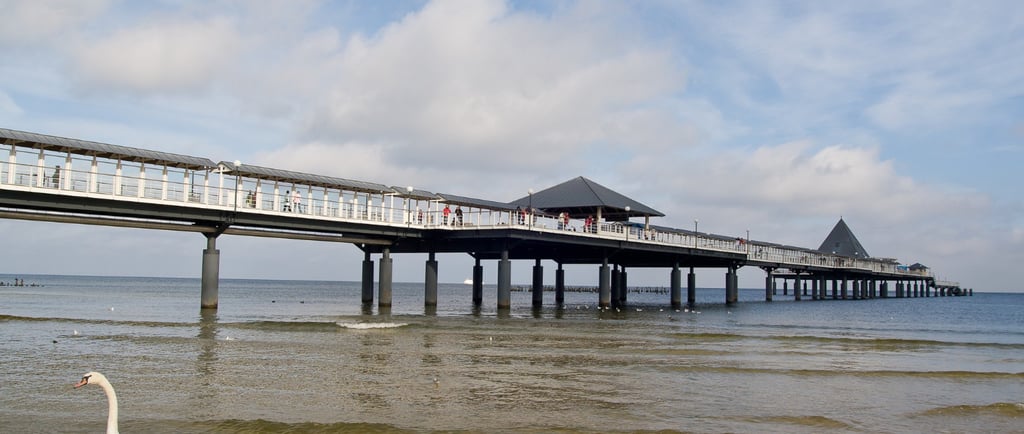
Martin County, Florida, is known for its beautiful waterfront properties along the Indian River Lagoon, St. Lucie River, and coastal canals. Living near water is wonderful—but it also brings challenges, especially land loss from coastal erosion. Bulkhead installation in Martin County FL helps hold soil in place, reduce property damage from rising tides and minor tides, and create a stable waterfront boundary.
These structures act as vertical barriers between your land and the water, helping protect yards, homes, docks, and other built features from being eaten away over time. Choosing the right shoreline stabilization approach can protect your investment and improve usability of your waterfront for years to come.
Why Shoreline Stabilization Matters in Coastal Areas
Shoreline stabilization keeps land from washing into the water over time. Without protection, everyday waves and tidal impact slowly pull soil away, shrinking yards, weakening plants, and undermining structures close to the water’s edge. In places like Martin County, even gentle morning tides can contribute to erosion without barriers in place. Maintaining a stable shoreline gives homeowners confidence that their property boundaries and landscaping will stay intact, even during rainstorms or high-water events. Planning with experts ensures stabilization matches your shoreline’s conditions and minimizes long‑term damage.
What a Bulkhead Is and How It Works
A bulkhead is a type of vertical retaining wall placed along a shoreline to keep land and soil from washing away. These walls are built from materials like treated timber, vinyl, or concrete panels anchored into the ground to hold the soil back and support a stable water’s edge. Unlike larger seawalls designed for open ocean wave forces, bulkheads are ideal for protected waters such as canals, rivers, and calm bays where wave energy is lower. Their vertical design allows them to stop soil from sliding into the water and reduces the chance of land loss on waterfront lots.
How Bulkheads Help Prevent Coastal Erosion
Bulkheads provide erosion control by acting as a barrier between your property’s soil and the water. By stopping soil from washing away, they preserve your landscape, maintain land elevation, and prevent nearby plant loss. Over time, erosion can shrink property size and weaken plant root systems. A properly designed bulkhead helps keep soil stable, protecting your yard, driveway, and structures from gradual erosion. This reduces the need for costly repairs or landscaping restoration due to disappearing land.
Bulkheads vs. Retaining Walls: What’s the Difference
While both bulkheads and retaining walls hold soil in place, they are used in slightly different contexts. Retaining walls are generally installed inland to manage slopes and landscape elevation changes. Bulkheads are specifically built at the water’s edge to protect against erosion and tidal impact in coastal waterways. Retaining walls may support a garden or driveway slope, while bulkheads secure your waterfront property from the effects of water movement and soil loss. Choosing between them depends on where your land is and what kind of erosion or movement you’re facing.
The Impact of Tidal Forces and Flooding
Martin County’s waterways are influenced by tides and water level changes throughout the year. These shifting water levels can weaken soil over time, making soil more likely to shift or erode. A bulkhead serves as a shield that slows this process. While bulkheads do not stop large storm surges like seawalls, they help manage everyday tidal impact and reduce gradual soil loss from frequent water level changes. Slowing this erosion keeps your waterfront land more stable and reduces risks from coastal flooding during high tide events.
Signs You Might Need a Bulkhead
If your property shows signs of soil loss near the edge, sinking ground, exposed roots, or uneven ground along the water, these may be early hints of erosion. Other signs include leaning soil toward the water, washed‑out spots after storms, or tidal water flowing up onto once solid ground. A bulkhead can be designed to manage these issues and restore shoreline stability. Getting professional inspections helps determine whether a bulkhead is the best solution for your specific conditions.
Professional Bulkhead Services in Martin County
Getting the right installation starts with a professional assessment. Experts with Bulkhead Services understand soil types, tidal ranges, and how erosion could affect your property. They evaluate your shoreline and design a structure that meets both environmental guidelines and your protective needs. Skilled teams handle everything from site measurements to installation, ensuring long‑lasting performance with attention to tides and soil pressures. Working with experienced professionals helps ensure your bulkhead stands up to local conditions and performs well for years.
Permit Requirements and Coastal Rules
In Florida, certain shoreline structures require permits before construction. Local and state agencies review projects to ensure they meet environmental protection standards and do not harm adjacent coastal habitats. Obtaining necessary approvals before construction keeps your project compliant and avoids fines or delays. Homeowners often work with professionals to secure these permits as part of the installation process. Preparing the right paperwork and meeting permit conditions ensures your bulkhead is built legally and responsibly.
Installation Process: Step by Step
Bulkhead installation begins with site evaluation and soil testing. Builders check soil stability, groundwater levels, and erosion potential before placing the vertical wall. Once evaluations are complete, crews install sections of treated material into the shoreline, secure them with anchors or piles, and backfill soil behind the wall to add support. Proper drainage systems ensure water does not collect behind the wall, which helps prevent pressure buildup and soil movement. A careful installation process increases durability and keeps the shoreline stable over time.
The Role of Marine Infrastructure and Repair Teams
When planning a bulkhead, it is important to consider other waterfront structures such as docks or lifts. Teams specializing in Dock Building and Repair or Seawall Repair and construction services etc can help ensure that all parts of your waterfront work together. Proper coordination reduces future maintenance needs and protects all structures from erosion and water impact. Combining these services gives your entire waterfront a more unified, long‑lasting defines against coastal forces.
Long‑Term Maintenance Tips
Once installed, bulkheads benefit from regular checks. Inspect for loose boards, shifting soil, or drainage issues every year and especially after heavy rains or storms. Keeping vegetation trimmed near the base and ensuring drainage systems remain clear helps reduce pressure on the wall. Regular maintenance prevents small issues from becoming costly problems and keeps your shoreline stabilized for years.
How Bulkheads Help During Storms
While bulkheads are not always designed for extreme coastal storms, they do add protection against moderate flooding and tidal surges by stabilizing the shoreline and reducing soil collapse. During storms, the vertical barrier can slow soil loss and keep water from washing directly into your yard. When combined with other coastal preparation, a bulkhead strengthens your defences against property damage.
Cost and Value Considerations
The cost of bulkhead installation varies based on materials, soil conditions, and shoreline length. While some options may seem costly upfront, avoiding land loss and soil damage saves money in the long term. A strong bulkhead can also enhance your property’s appeal and usability, making your waterfront more stable and enjoyable for living or recreation.
Conclusion: Secure Your Waterfront with Expert Protection
Bulkhead installation in Martin County FL is an effective way to protect your property from coastal erosion, soil loss, and tidal impact. These vertical shoreline stabilization structures hold soil in place, reduce the effects of everyday water movement, and help keep your waterfront usable and safe. Working with experienced professionals ensures proper design, permits, and installation that match your shoreline’s conditions. Regular maintenance keeps your bulkhead strong over time. If you’re ready to safeguard your shoreline and protect your investment, contact trusted Bulkhead Services in Martin County today for a consultation and start building a stable waterfront defence that lasts.
Frequently asked questions
Is bulkhead installation in Martin County FL necessary for all waterfront homes?
Not all properties require a bulkhead, but if your shoreline shows signs of erosion or soil loss, it’s often the best solution to protect land and structures.
How long do bulkheads last?
With proper installation and maintenance, bulkheads can last many years, though materials and conditions influence lifespan.
What is the difference between bulkheads and seawalls?
Bulkheads primarily retain soil and manage erosion in calmer waterways, while seawalls are built for stronger wave action and coastal flooding.
Do I need a permit to install a bulkhead in Martin County?
Yes. Permits are usually required to ensure environmental standards are met before construction begins.
Can a bulkhead prevent flooding?
Bulkheads help manage soil erosion and can reduce minor flooding, but they are not designed for major storm surge protection.
Innovation
Renovating seawalls with modern technology and materials.
Quality
Strength
772-677-1156