Boat Lift Maintenance Checklist for Saltwater Conditions
Protect your boat with a complete saltwater maintenance checklist. Learn tips on lubrication, cable replacement, corrosion prevention, and safety inspections.
12/8/20253 min read
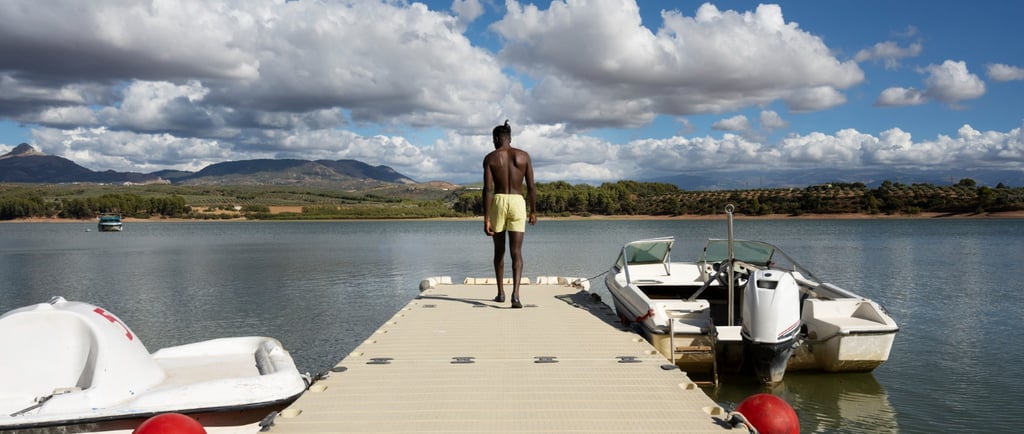

Owning a boat in Florida is a rewarding experience, but it comes with responsibilities—especially when it comes to maintaining your boat's lift. Saltwater environments are harsh on marine equipment, accelerating corrosion and wear. Proper boat lift maintenance in Florida ensures the longevity of your lift, protects your vessel, and keeps your dock safe and fully functional. This comprehensive checklist will guide you through key steps, from routine inspections to seasonal upkeep.
Why Boat Lift Maintenance is Critical in Saltwater
Saltwater is highly corrosive, affecting metal components, cables, and motors over time. Without regular upkeep, a boat lift can fail, putting your vessel at risk and potentially causing costly dock damage. Engaging experienced seawall repair contractors or a seawall construction company in Palm City can help ensure your lift installation and ongoing maintenance are professionally managed.
These specialists understand how environmental conditions impact marine equipment and dock structures, allowing for a more reliable maintenance approach.
Corrosion Prevention
Corrosion is the most significant threat to boat lifts in saltwater environments. Follow these steps to minimize damage:
Regular Washing: Rinse your lift with fresh water after each use to remove salt deposits.
Protective Coatings: Apply marine-grade corrosion inhibitors to metal components.
Inspection of Fasteners: Check bolts, nuts, and other hardware for rust or signs of wear, replacing them as needed.
Seawall builders and local seawall construction services often provide advice on compatible materials and coatings that protect lifts without compromising dock integrity.
Motor Lubrication
Motors are essential to the smooth operation of hydraulic and electric lifts. Regular lubrication reduces friction, prevents wear, and ensures reliable performance.
Schedule Lubrication: Follow manufacturer recommendations for oil or grease application.
Check Seals: Inspect motor seals for leaks or damage.
Operational Testing: Run the motor periodically to ensure smooth movement and listen for unusual noises.
Neglecting motor maintenance can lead to costly repairs or complete motor failure, which may also affect your dock’s structural stability.
Cable Replacement
Cables endure the weight of your boat and constant tension, making them susceptible to fraying and corrosion in saltwater conditions.
Regular Inspections: Examine cables for frays, kinks, or rust buildup.
Replacement Schedule: Replace cables every few years or as soon as wear is detected.
Correct Tension: Ensure cables are neither too tight nor too loose to avoid strain on the motor and lift structure.
Working with a seawall construction service ensures that cable replacements are aligned with dock integrity and safety standards.
Safety Inspection
Routine safety inspections protect both your vessel and those using the dock. A thorough check should include:
Structural Integrity: Inspect beams, bunks, and braces for signs of stress or deterioration.
Electrical Components: Examine wiring, switches, and connections for corrosion or damage.
Operational Tests: Raise and lower the lift fully to verify smooth, balanced movement.
Safety inspections should be scheduled at least twice a year, preferably before and after the boating season. Seawall builders often collaborate with lift specialists to ensure safety protocols align with dock stability.
Following a Marine Maintenance Schedule
A well-organized marine maintenance schedule helps prevent neglect and ensures all critical tasks are completed consistently. Key recommendations include:
Monthly: Rinse lift, inspect cables, check hardware, and test motor operation.
Quarterly: Lubricate motor components, tighten fasteners, and inspect electrical systems.
Annually: Perform full corrosion checks, replace worn cables, and review structural integrity.
Keeping a written maintenance log also helps track performed tasks, anticipate replacements, and maintain warranty coverage. Seawall repair contractors and seawall construction companies often advise property owners on coordinating lift maintenance with dock and seawall care.
Additional Tips for Saltwater Boat Lift Care
Material Selection: Aluminum lifts are more corrosion-resistant than steel, though steel offers higher strength for heavy boats.
Cover Systems: Use boat lift covers or tarps to reduce direct exposure to salt spray when not in use.
Environmental Considerations: Monitor tides, storms, and fluctuating water levels that could affect lift alignment and stability.
Combining these strategies ensures your boat lift remains reliable and reduces the risk of costly repairs over time.
Conclusion
Maintaining a boat lift in saltwater conditions requires diligence, proper planning, and professional guidance. Following this checklist—including corrosion prevention, motor lubrication, cable replacement, safety inspections, and adhering to a marine maintenance schedule—you protect your boat, lift, and dock investment. Collaborating with trusted seawall repair contractors, seawall builders, or a seawall construction company in Palm City ensures your lift operates safely while maintaining your waterfront property’s structural integrity.
Frequently asked questions
How often should I perform boat lift maintenance in Florida?
Routine checks should be monthly, with more thorough inspections quarterly and a full maintenance review annually.
What is the best way to prevent corrosion on a saltwater boat lift?
Rinse with fresh water after use, apply protective coatings, and inspect fasteners regularly for signs of rust.
How do I know when to replace my boat lift cables?
Look for fraying, kinks, rust, or unusual stretching. Replace cables immediately if any damage is found to prevent accidents.
Can I maintain my boat lift myself or should I hire professionals?
Simple tasks like rinsing and lubrication can be done yourself, but annual inspections, cable replacements, and structural checks are best handled by professionals.
Does boat lift maintenance involve checking my dock as well?
Yes. A secure dock is essential for lift operation, and seawall repair contractors often coordinate lift and dock inspections for safety and structural integrity.
Innovation
Renovating seawalls with modern technology and materials.
Quality
Strength
772-677-1156